21 Nov 2026
Interface Adjustments for Payment Methods and Their Influence on Participation in Live Casino Environments
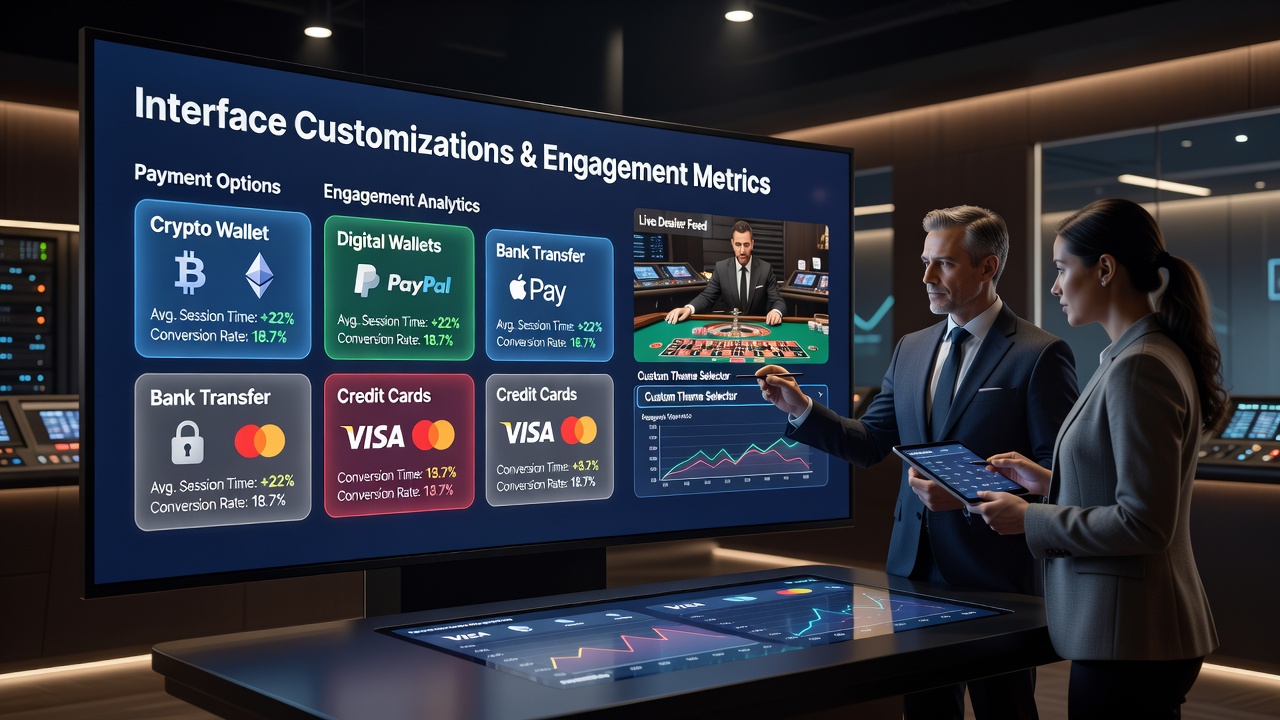
Live casino platforms have expanded payment options over recent years, and operators adjust visual layouts, button placements, and confirmation flows to match each method. Research indicates these adjustments align with user behaviors across credit cards, e-wallets, bank transfers, and digital currencies, leading to measurable differences in session duration and transaction completion rates. Data from multiple operators shows that players interact more frequently when the interface presents familiar icons, real-time balance updates, and streamlined approval steps tailored to the selected payment type.
Common Payment Methods and Corresponding Interface Elements
Operators integrate several payment categories into live dealer sessions, and each category receives distinct design treatments. Credit and debit card flows often feature larger input fields for card numbers alongside instant verification badges, whereas e-wallet options display QR codes or one-tap authorization buttons. Bank transfer interfaces typically include multi-step progress indicators that reduce perceived complexity, while cryptocurrency selections present wallet address copy functions and network fee estimators. According to reports compiled by the American Gaming Association, platforms that apply these differentiated elements record higher repeat transaction volumes during peak evening hours.
November 2026 brought additional platform updates in several North American markets, where operators introduced dynamic color themes that shift based on the chosen payment method. These changes coincide with seasonal increases in live blackjack and baccarat traffic, and preliminary figures reveal elevated deposit frequencies when interfaces highlight security badges specific to each gateway.
Observed Engagement Patterns Across Payment Categories
Studies tracking user sessions find that customized confirmation screens reduce cart abandonment during live dealer play. For instance, e-wallet users complete deposits faster when the interface shows transaction history thumbnails directly beside the game window, allowing quick reference without leaving the table. Card users respond positively to interfaces that pre-populate billing details from prior sessions while maintaining editable fields for security. Observers note that cryptocurrency interfaces incorporating live exchange rate tickers maintain longer active sessions, particularly among players who monitor volatility during extended roulette sequences.
Regional Variations in Interface Design Practices
European operators tend to emphasize regulatory compliance icons within payment menus, placing licensing seals and deposit limit reminders in prominent positions. North American platforms focus on speed indicators that display average processing times for each option, drawing from aggregated data across state-regulated sites. Australian providers incorporate responsible gambling tools directly into the payment flow, such as session timers that appear alongside withdrawal requests. These regional adaptations correlate with participation differences reported by local regulatory bodies, including statistics released by the Pennsylvania Gaming Control Board that highlight increased mobile deposit rates following interface refinements.
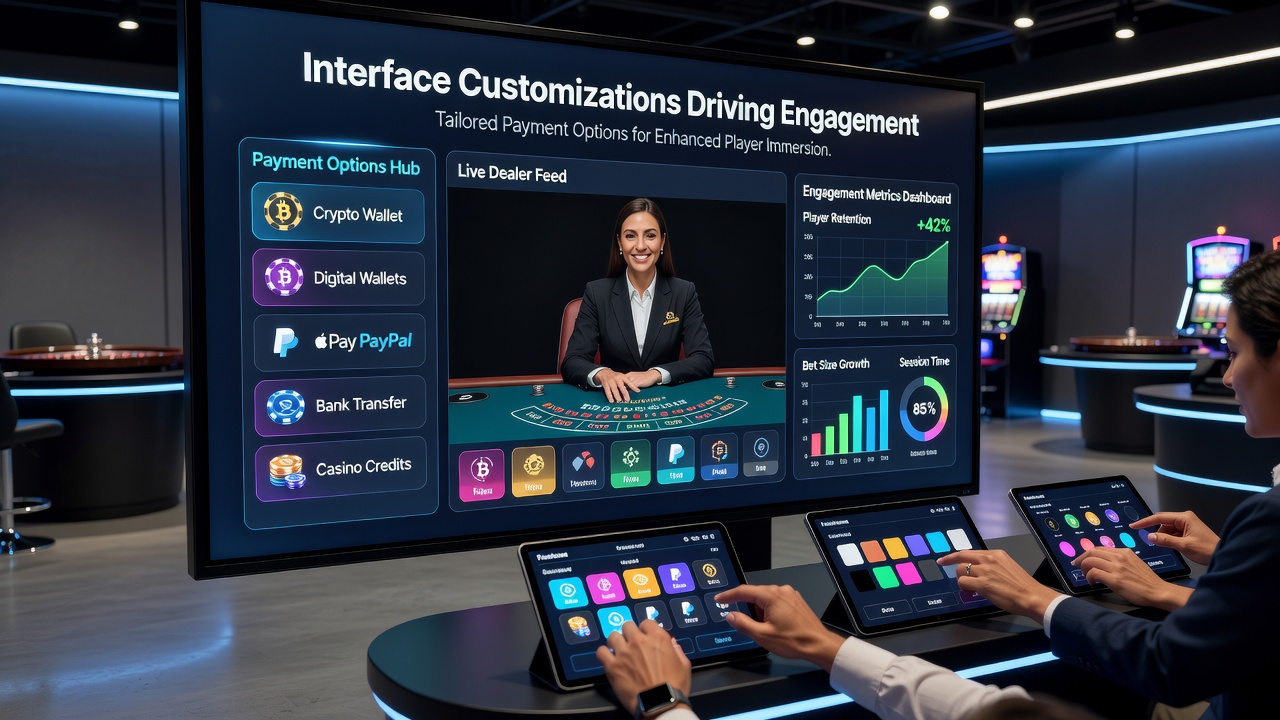
Cross-platform comparisons indicate that players using multiple payment methods within a single session benefit from persistent navigation bars that retain selections across table switches. This continuity supports extended play periods, especially when live poker or sic bo rounds transition rapidly. Research from academic institutions examining digital transaction behaviors shows that reduced cognitive load from repeated interface elements contributes to sustained engagement metrics.
Technical Factors Influencing Transaction Completion
Latency reductions achieved through localized payment processing servers improve completion rates across all methods, yet the visual presentation of loading states matters as well. Interfaces that replace generic spinners with method-specific animations maintain user attention during brief delays. Security visualizations, including animated encryption shields, appear more frequently in recent updates, and data indicates these elements correlate with fewer abandoned transactions in live environments. Operators that test variations through A/B frameworks report clearer patterns when sample sizes exceed several thousand sessions per variant.
Integration with loyalty programs adds another layer, where payment interfaces display accrued points or cashback estimates at the moment of deposit. Such additions appear in both desktop and mobile formats, and operators observe that visible reward previews encourage additional funding actions during ongoing live dealer rounds. The synchronization of these previews with game state changes, such as after a winning spin, produces further interaction spikes according to aggregated platform analytics.
Conclusion
Interface customizations for payment options continue to evolve alongside live casino technology, with operators refining layouts based on transaction data and regional requirements. Patterns observed through 2026 demonstrate that method-specific design choices support higher engagement across credit cards, e-wallets, bank transfers, and cryptocurrencies. Continued monitoring by industry groups and regulatory agencies provides ongoing insight into how these adjustments affect participation rates in live dealer settings.